


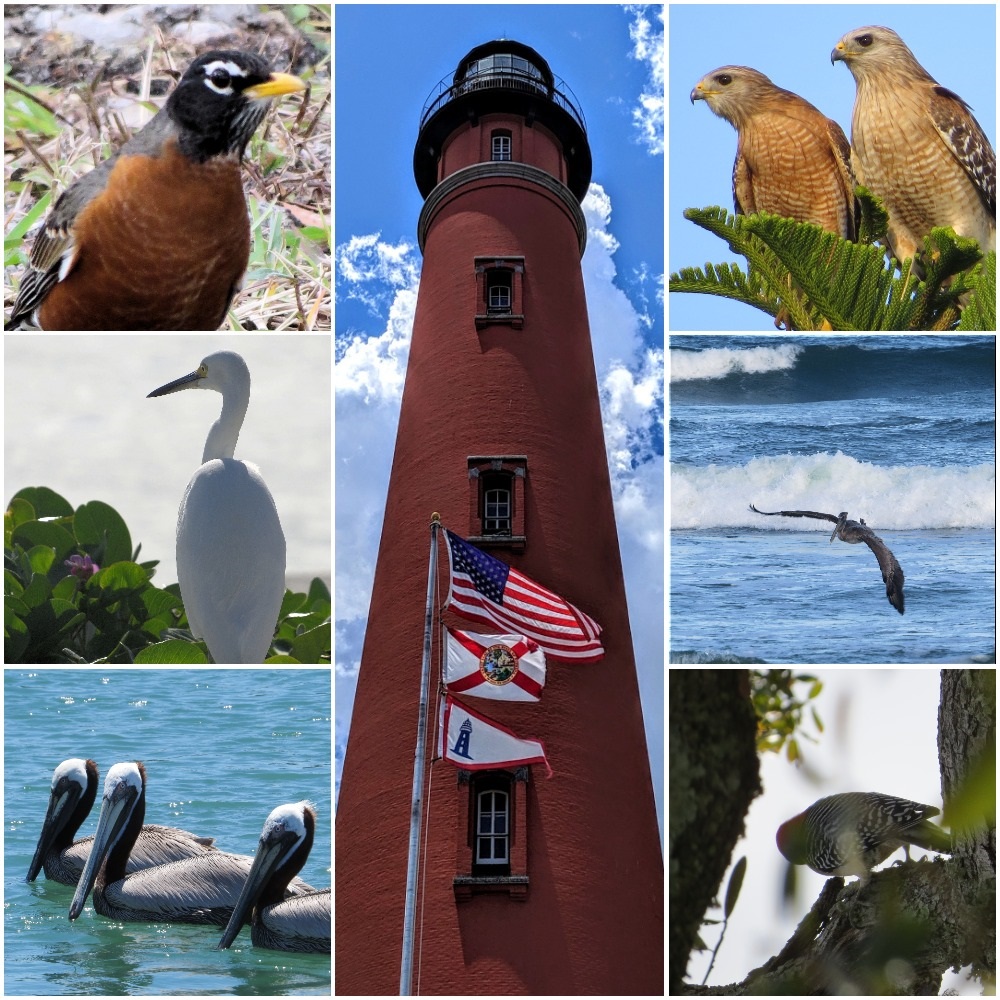
Today, January 5, ends this year’s longest running national community science project called The Christmas Bird Count. The count began this year on December14. The Christmas Bird Count, or CBC this year marks its 125th anniversary.
The CBC was organized in reaction to another American Christmas season, The Christmas Side Hunt. Hunters would choose sides, go out with rifles and shotguns, and whoever brought in the largest pile or quarry of feathered and furry creatures would be declared the winner.
Conservation was in its beginning and scientists were becoming concerned about the declining bird population. In reaction to this, on Christmas Day of 1900, a new tradition was begun, then called a “Bird Census,” counting birds rather than shooting them.
Interest in birds was growing at a national level as some species were quickly becoming endangered. Bird plumage adorning women’s hats was the fashion and as a result, in 1903 and 1909 executive orders were signed by Presidents Teddy Roosevelt and William Howard Taft declaring that the area around the Mosquito (now Ponce) Inlet was a federal bird and breeding reservation. Bartolo J. Pacetti, son of Bartolo C. Pacetti was appointed as a federal bird reservation inspector and he was tasked with ensuring that no one was to hunt, trap, disturb or kill birds or take bird eggs except under rules and regulations of the Secretary of Agriculture.
The ironic part of all of this is that during migration season, it was inevitable that on most mornings the keepers would find dozens of dead birds at the foot of the tower killed after striking the glass of the lantern room. The light would confuse the birds and they would fly into the glass. At the end of November 1887, keepers were supplied with heavy wire bird netting to cover the glass in the lantern room during migration season. The netting would be removed at the end of migration.